Dealing with footpath problems • The law & Rights of Way • Web resources
Reporting footpath problems
In an ideal world, all Public Rights of Way would be signposted and easy to walk, with stiles and gates in good repair. However, with cuts to Council budgets, maintenance is often at the back of the queue. This isn’t to say that Councils don’t want to be told of problems with their Rights of Way – the more complaints they receive, the better the chance they will receive increased funding from Government to resolve the problems.
The simplest method of reporting a difficulty encountered on a walk is to contact the Group Footpath Officer on whose 'patch' the problem has been found. They are:
Grantham
Skeg. Horncastle
Boston
Roger Bainbridge
07761 937368
Sleaford
In addition, the Highways Authority and Lincolnshire County Council use the ‘Fix My Street’ reporting form. Access it HERE.
Whoever you contact, they need to know a few details:
• Date the problem was found
• Where the problem was found (town, village, parish etc)
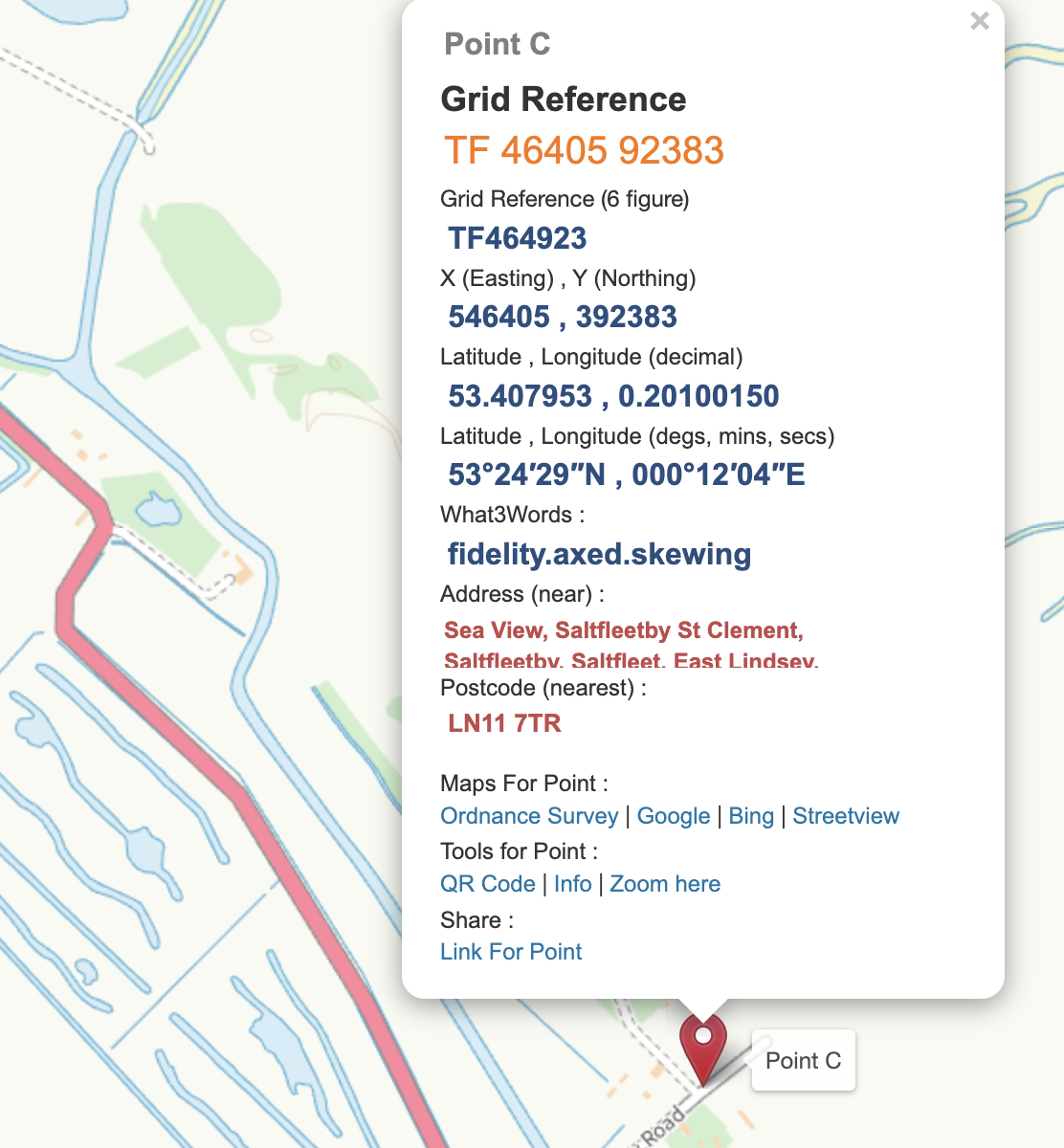
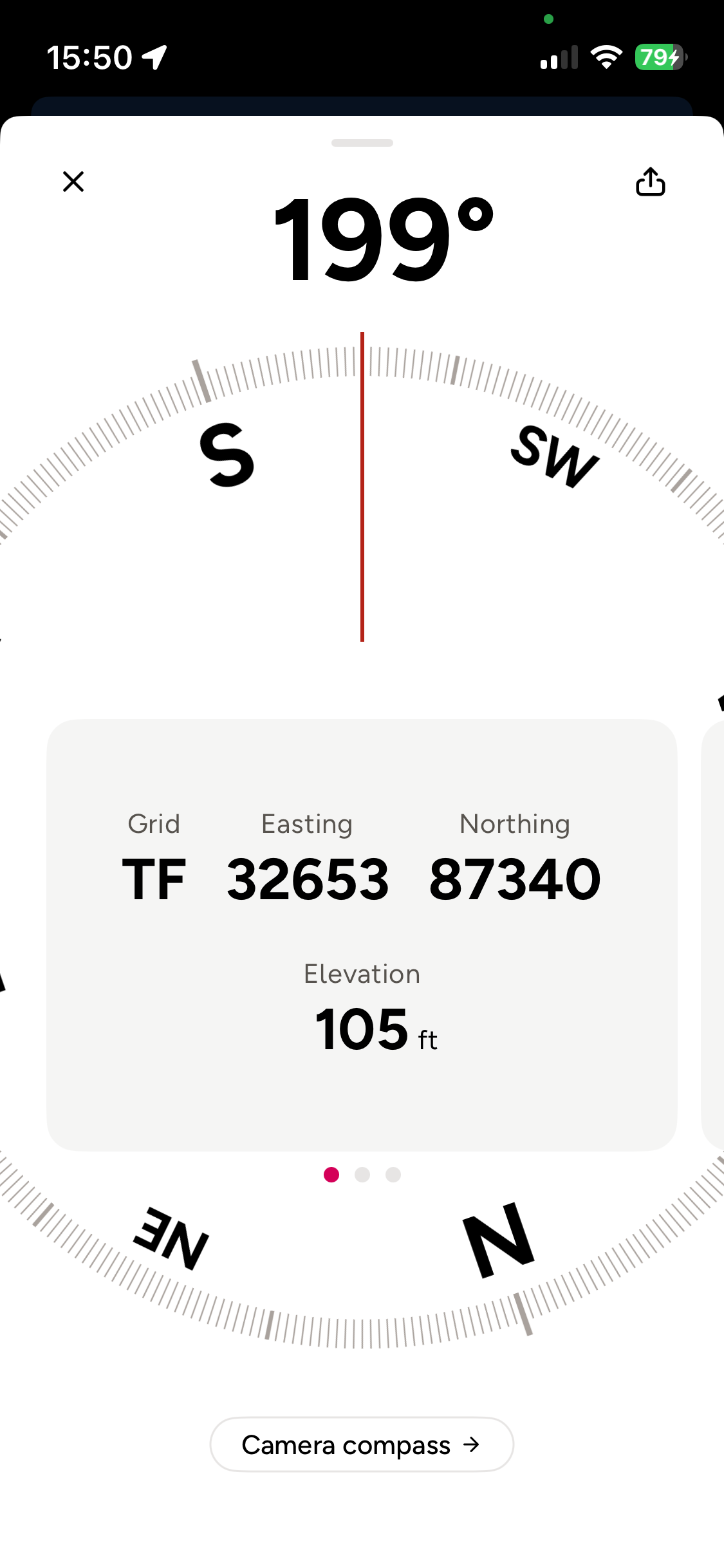
• The exact location (ideally a 6-figure grid reference)
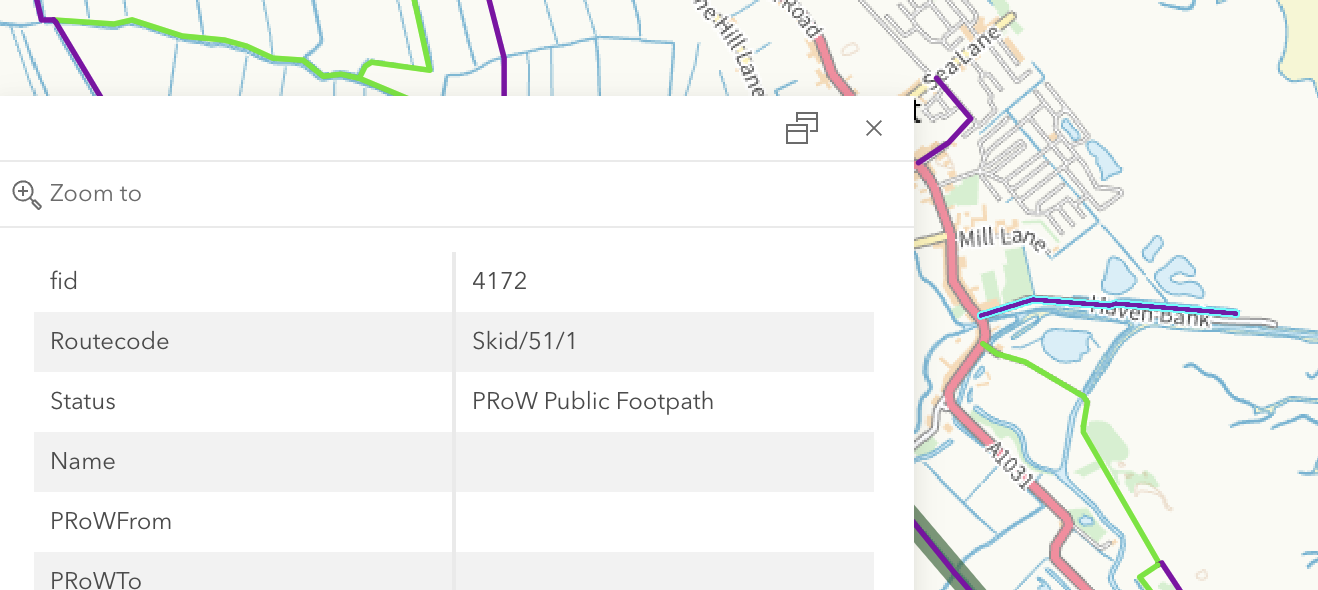
• The Rights of Way number (if you know it)
• Details of the problem
See Web Resources for more information
The law and Rights of Way
The Blue Book – what is it? Without doubt the law relating to Rights of Way is complex but in 1983 a book was published which was a comprehensive guide to the whole subject. The current edition, the 4th, was published in 2007.
Rights of Way: A Guide to Law and Practice Paperback – 31 May 2007 John Riddall (Author), John Trevelyan (Author)
Affectionately known as ‘The Blue Book', this definitive guide is written by two of the country's leading experts, and published by two of the leading organisations concerned with the protection of rights of way – the Ramblers and the Open Spaces Society.
The book analyses all the legislation affecting rights of way in England and Wales and explains the current legal lay of the land in contemporary and accessible terms. ‘The Blue Book’ aims to state the law as at 1 October 2006, and is an essential work of reference for anyone whose work involves rights of way – either as a professional or as a volunteer, and is also a fascinating book for those interested the historical and contemporary usage of the unique network of public paths in England and Wales.
The fourth edition has been completely revised. In this edition, two new chapters: The Management of Rights of Way; and Legal Action Over Rights of Way have been included. These draw together material previously distributed between other chapters. Substantial portions of the text have been re-written to reflect the many other changes in legislation over the last five years.
Rights of Way: A Guide to Law and Practice was first published in 1983, following the implementation of the major changes to legislation made by the Wildlife and Countryside Act 1981. It brought together in one publication material previously published separately by the RA and OSS, together with considerable additional new material, and proved popular with volunteers and professionals alike. A second edition followed in 1992, with a third edition in 2001 following the passage of the Countryside and Rights of Way Act 2000.
This fourth edition, published in 2007 has been completely revised and updated by the authors. Purchase HERE
Useful bits of footpath law:
Highway authorities have a duty to put up signposts at all junctions of footpaths, bridleways and byways with metalled roads. The signs must show whether the path is a footpath, bridleway, restricted byway or byway open to all traffic (BOAT) and may also show other information such as destination and distance.
Highway authorities also have a duty to waymark paths with arrows along the route so far as they consider it appropriate. Waymarking is a means of indicating the line or direction of a path away from metalled roads at points where it may be difficult to follow. There is a standard system of colour-coded arrows – yellow for footpaths, blue for bridleways, purple for restricted byways, and red for byways open to all traffic.
The difference on the ground between footpaths (for walkers only) and bridleways (for walkers and horse riders) is the width of the paths. Cross-field paths must have a minimum width of 1metre for a footpath and 2 metres for a bridleway. A field-edge path must be 1.5 metres for a footpath and 3 metres for a bridleway. The crop (other than grass) must be kept clear of the PRoW to ensure that it remains free of crop for at least the minimum width at all times.
The most common obstructions are overgrown vegetation on the ground and around stiles, and un-reinstated cross-field paths. A cross-field path may be ploughed out with no sign of levelling of the path, or in the growing season the adjacent crop may restrict the width of the path to below the minimum.
Cross-field paths must be restored within 24 hours of the disturbance or within two weeks if this is the first such disturbance for a particular crop.